More and more people are choosing to stay in their homes for as long as possible; a concept known as the “aging-in-place” mentality. This approach is all about living and thriving comfortably in your own home for many years to come.
An aging-in-place home is thoughtfully designed to provide the support you need as you grow older. With features that make it easier to move around, access sinks and showers, and maintain safety throughout the home, these designs help you enjoy independence and peace of mind. And the best time to start planning for aging in place is before you actually need the extra assistance.
As an Evansville, Indiana–based custom home builder and Certified Aging-in-Place Specialist, we’re here to design and build a home that’s as beautiful as it is functional: one you can enjoy for decades.
In this blog, we’re sharing the top ten essential features every aging-in-place home should include.
Our Top 10 Aging-in-Place Home Features

Creating a home that supports comfort, safety, and independence as you age is all about thoughtful design. From accessibility upgrades to smart safety features, here are our top 10 aging-in-place home features that make daily living easier, safer, and more enjoyable for years to come.
When you’re done browsing this article, check out this blog where we talk with one of our customers about their home that is designed to be aging-in-place friendly.
1.Grab Bars and Blocking
Grab bars near toilets and inside showers are essential. Grab bars help older, injured, or disabled persons sit and stand safely without assistance. To ensure safety, grab bars should be installed using blocking, a secure anchor point, to prevent them from being pulled out of the wall. We can just install the blocking in the walls for future installation of grab bars when you are ready for them in life.
2.Wider Doorways
Wider doorways are very important features for those who prefer to age in place. Preferably, doorways are best to be at 36” wide to allow ample space for wheelchairs, caregivers, and other mobility aides.
3.Wider Hallways
Like doorways, hallways should be wider for safe wheelchair or walker access. In comparison to most homes that have a hallway width of 36”, hallways that are designed for aging in place should be at least 48” wide.
4.Zero Egress Entries and Openings
“Zero egress” refers to the removal of all curbs, steps, and raised thresholds at entryways. Roll-in showers, for example, make showering accessible to those in a wheelchair, or those that have trouble stepping up into a typical shower.
It’s also important to eliminate barriers on external openings. At least one entry/exit should be level and ramps should be used instead of stairs for a zero-step entry.
5.Curbless Showers
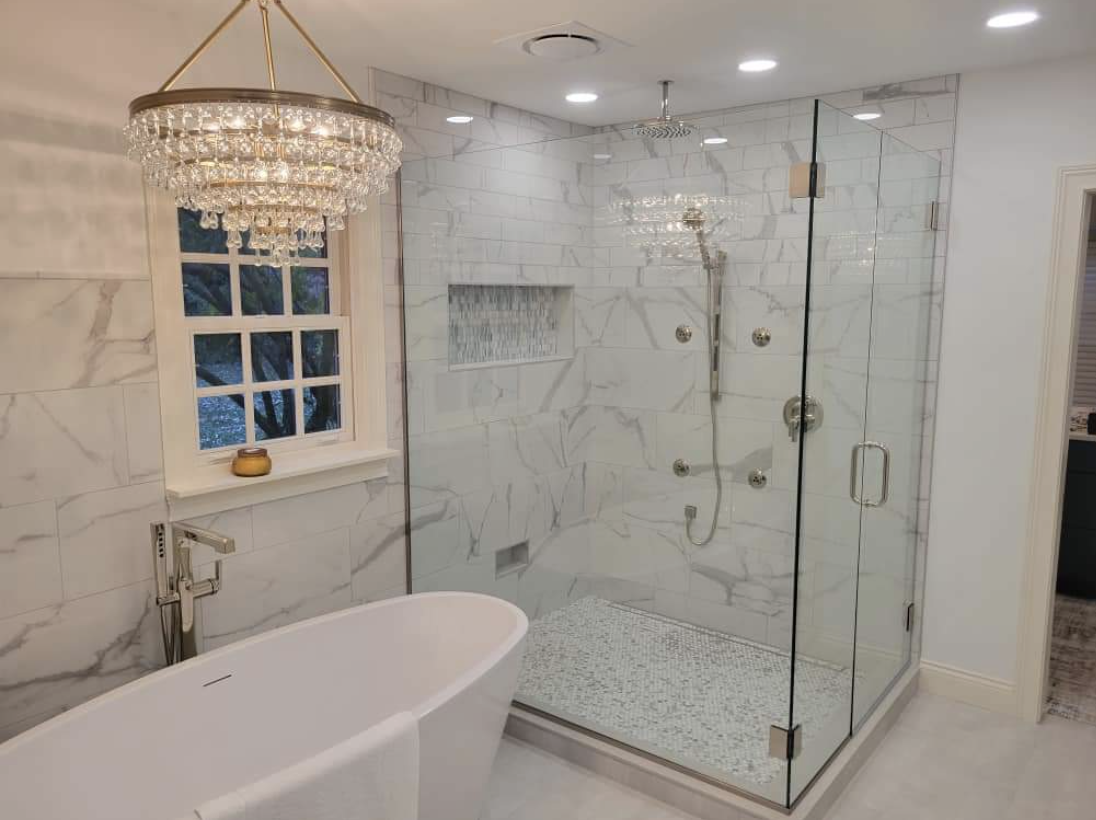
A curbless shower is one that flows seamlessly from bathroom floor to shower. There is no step-up or divider between shower and bathroom floor. Entry and exit from a curbless shower is easy for those with mobility issues, wheelchairs, or walkers.
6.Larger and More Accessible Baths
For easy access for seniors, wheelchairs, and walkers, a large walk-in tub should be included in your bathroom. Be sure the tub has a non-slip floor to reduce falls and increase stability.
7.Level Door Handles
Level door knobs open doors by simply pressing the level downward. Unlike a standard turn-knob, level door handles make it much easier for those with limited dexterity or hand strength to open doors. Level door handles also make door opening accessible to those with full or partial upper limb amputations.
8.One Level Living
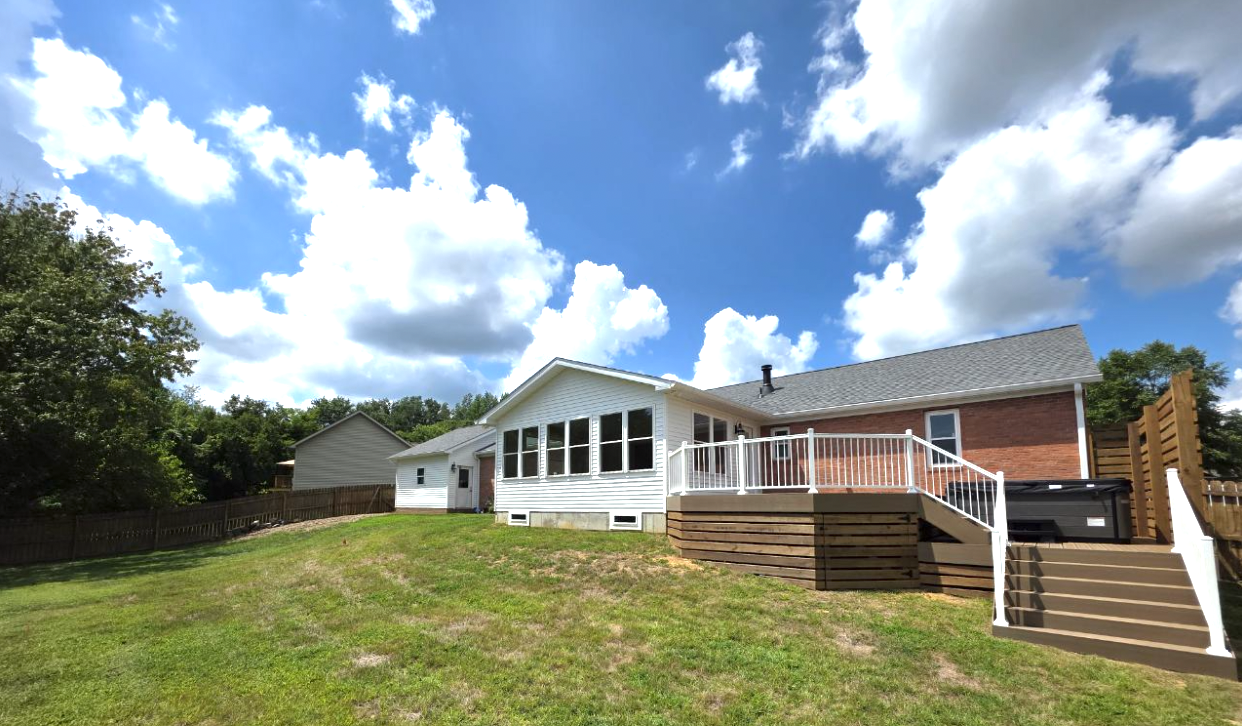
Single-story living combined with an open-concept floorplan is a key aging-in-place home feature. By designing and building a one-story home, you eliminate the need to renovate your home later to make it more accessible as you age.
Single level living reduces the risk of falls, simplifies daily tasks like laundry and cleaning, and allows you to live in your home longer without making expensive changes.
9.Offset Shower and Plumbing Handles
Offset shower and plumbing handles are a smart addition to any aging-in-place home. Designed for easy reach and operation, these handles are positioned at an angle or offset from the traditional center placement, reducing the need to bend, twist, or stretch.
10.Accessible Cabinets and Open Space in the Kitchen
The layout of the kitchen, most importantly the work triangle which consists of the proximity of the sink, stove, and refrigerator. An efficient work triangle eliminates steps and reduces strain on joints and muscles.
In addition, doorways and walkways in the kitchen should be wider for maximum accessibility.Space between the kitchen counter and cabinets should be 48”, and all doorways/entryways should be at least 36” wide.
Storage and cabinetry should be lower in height and have pull-out shelves and deep drawers to reduce bending and straining to reach items.
Custom Homes by Modern Structure: Certified Aging-in-Place Specialists
Planning an aging-in-place home isn’t just about getting older: it’s about designing spaces that support comfort, safety, and independence for years to come. Whether it’s adding grab bars, widening doorways, or creating a zero-step entryway, every detail ensures your home grows with you, not against you.
If you’re ready to start designing your forever home, contact Custom Homes by Modern Structure. Together, we’ll create a custom home that’s stylish, smart, and built for every stage of your life.
Contact us:
Phone: 812-306-8438 OR Fill out this form