By: Custom Homes by Modern Structure, Evansville, Indiana
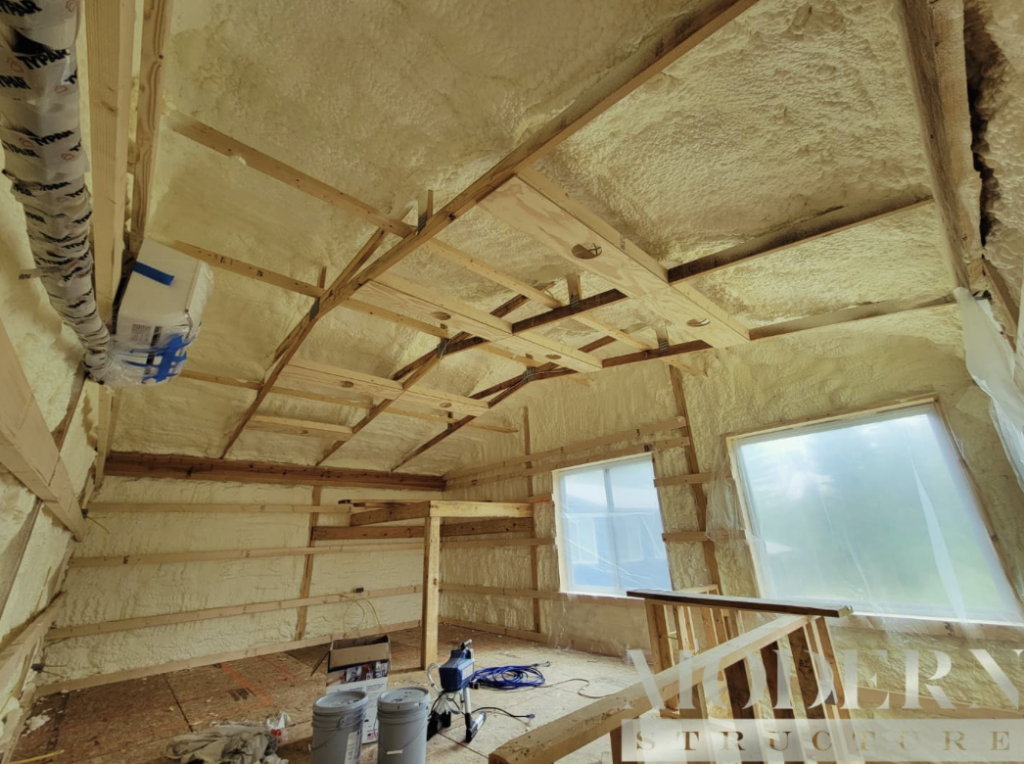
With energy costs continuing to rise, homeowners are placing more value on homes that are comfortable, affordable to operate, and built to last. You can make a small impact by installing solar panels and high-end appliances: but a true energy-efficient home starts from the ground up; with thoughtful design.
At Custom Homes by Modern Structure, we believe energy efficiency starts long before construction begins. Every decision, from the home’s layout to its insulation and mechanical systems, plays a role in reducing energy consumption while creating a healthier, more comfortable living space.
So if you’re interested in building a custom home that’ll save you some cash over time, take these home design tips into consideration.
And when you’re ready to talk about building, give Custom Homes by Modern Structure a call at 812-306-8438.
Energy Savings Starts with Smart Home Design
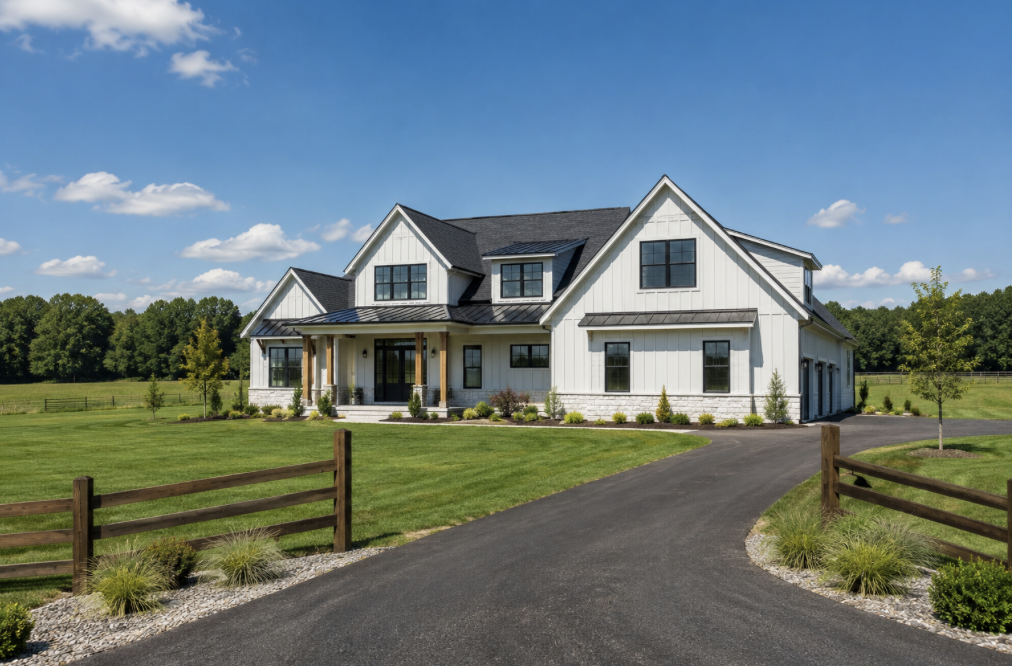
Some of the most important energy-saving decisions are made before construction even begins. A well-designed home naturally uses less energy to heat and cool, and knowing what to look for can help you choose a builder who values energy efficiency from the start.
Build Only the Space You Need: Focus on Multifunctional Spaces
Larger homes require more energy. While everyone loves spacious living areas, designing a home with intentional square footage can dramatically reduce your long-term utility costs.
That doesn’t mean sacrificing comfort; it means designing a home without rooms you won’t use and turning areas into multifunctional spaces.
Limit Oversized Open Floor Plans
Open-concept floor plans are still popular, but large spaces with high ceilings require a lot more energy to maintain comfortable temperatures.
Strategic room layouts, defined living areas, and appropriately sized ceilings help improve heating and cooling efficiency without making the home feel closed off.
Consider Home Orientation
The direction your home faces affects how much sunlight enters throughout the day.
The right orientation allows you (the homeowner) to:
- Take advantage of winter sunlight that could help heat your home
- Reduce overheating your home during summer, and making your A/C work harder
- Lower heating and cooling demands year-round
At Modern Structure, we make home orientation a priority. The direction your home faces can have a significant impact on energy efficiency, heating and cooling costs, and overall comfort. Based on your lot, we’ll help determine the best orientation to maximize these benefits.
Create a Tight Building Envelope
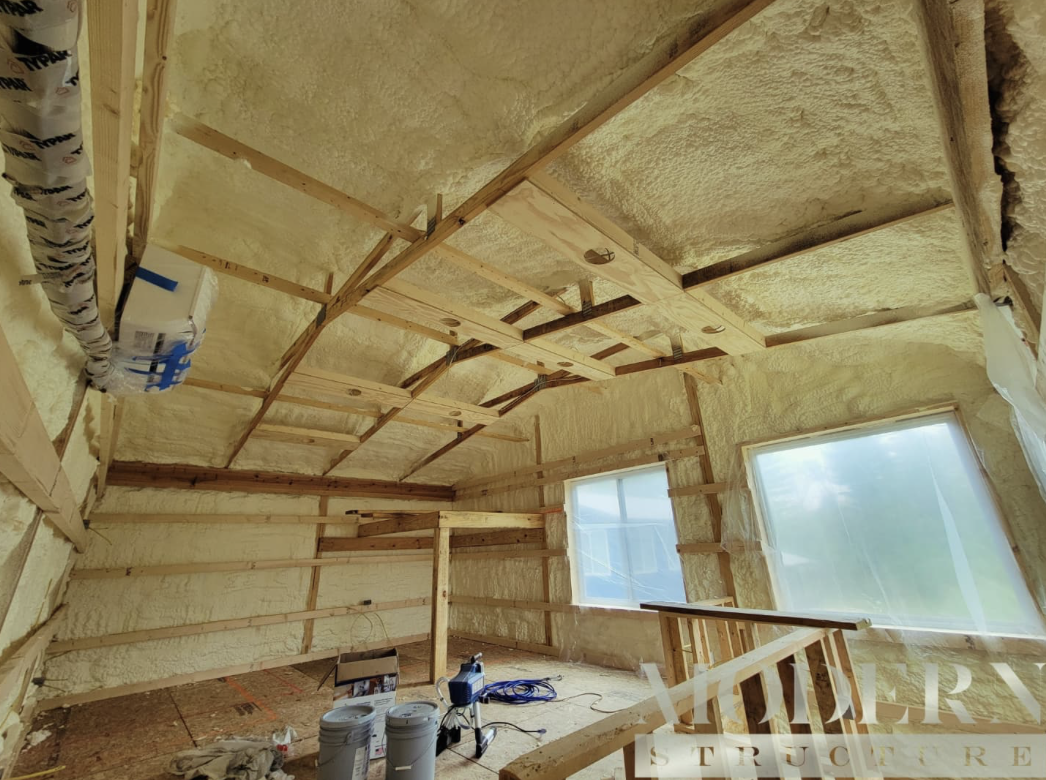
A home’s “building envelope” is the barrier between the inside of your home and the outdoors. The tighter this barrier, the less conditioned air escapes…and the less your HVAC system has to work.
Air Sealing Matters
Tiny gaps around framing, plumbing, electrical outlets, windows, and doors can allow conditioned air to leak outside.
Professional air sealing helps:
- Reduce drafts
- Prevent moisture from getting in
- Lower heating and cooling costs
- Improve your overall indoor comfort
- Even helps with insects!
Invest in High-Quality Insulation
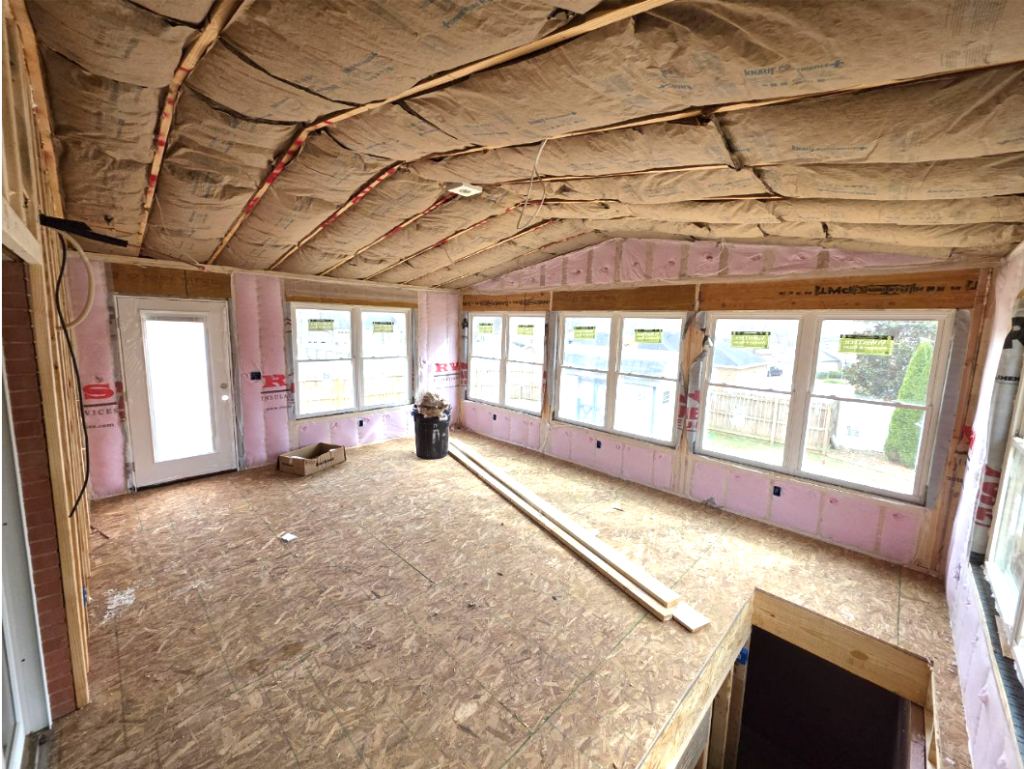
Insulation isn’t just about adding more material; it’s about installing the right insulation in the right places.
Proper insulation in walls, attics, and floors helps maintain consistent indoor temperatures while reducing energy loss throughout the year.
Choose Energy-Efficient Windows and Doors
Even the best-insulated walls won’t perform well if windows and doors allow air leakage.
High-Performance Windows
Modern energy-efficient windows feature advanced glass coatings, insulated frames, and multiple panes of glass that help reduce heat transfer.
Casement windows, that swing outward like a door, are a great energy efficient choice.
Quality Exterior Doors
Exterior doors should provide both insulation and an airtight seal.
A premium entry door, called a triple-pin door, uses multi-point locking systems that secure the door at the top, middle, and bottom. This creates a tighter seal against the weather stripping, reducing drafts while improving making your home more energy efficient.
Install High-Efficiency HVAC Equipment
Your heating and cooling system is one of the largest energy consumers in your home.
Modern high-efficiency furnaces, heat pumps, and air conditioners use less energy than older systems while maintaining more consistent indoor temperatures.
Just as important, is properly sized equipment. Oversized systems cycle on and off too frequently, while undersized systems struggle to maintain comfort. A properly designed HVAC system improves both efficiency and equipment lifespan.
Use Efficient Lighting Throughout the Home
LED lighting uses up to 75% less electricity than traditional incandescent bulbs while lasting a whole lot longer. Pairing LED fixtures with smart switches and dimmers further reduces unnecessary energy use.
Minimalist lighting designs can also reduce fixture counts without compromising brightness or functionality.
Select Roofing That Reflects Heat
Your roof absorbs enormous amounts of solar energy throughout the day.
Lighter-colored roofing materials reflect more sunlight than darker roofs, reducing attic temperatures and decreasing cooling demands during the summer months.
In warmer climates especially, roofing that reflects the sun can provide noticeable energy savings.
Consider Sustainable/Renewable Energy Options
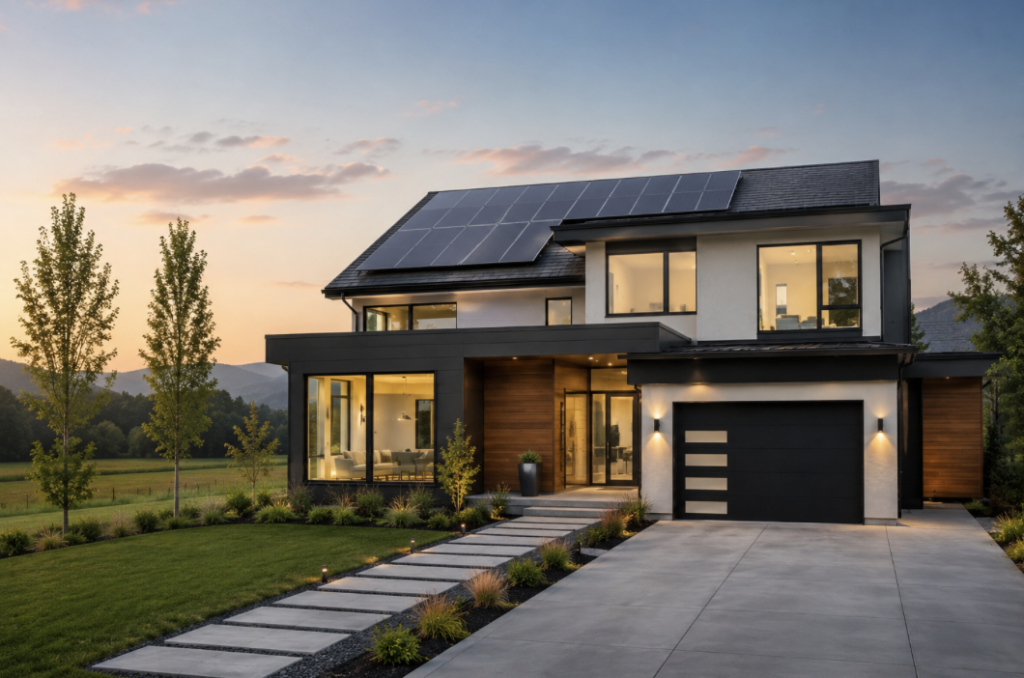
Renewable and sustainable energy solutions can further reduce how much energy your home consumes.. While not every option is right for every homeowner, these tips can provide cost savings when incorporated into a well-designed home.
Solar Power
Solar panels can significantly offset electricity costs, particularly when combined with an energy-efficient home design.
While solar requires an upfront investment, many homeowners enjoy decades of reduced utility bills.
Geothermal Heating and Cooling
Geothermal systems use the stable temperature beneath the earth’s surface to efficiently heat and cool a home.
Although installation costs are higher than traditional HVAC systems, geothermal systems often provide more long-term energy savings and lower maintenance costs.
Consider Building a Subterranean Home
Homes built partially or fully into the ground naturally benefit from the earth’s stable temperatures.
This type of construction can dramatically reduce heating and cooling demands. However, subterranean homes require specialized waterproofing, drainage, and structural engineering, making them less common for most residential projects.
For a more cost effective solution, some homeowners choose to incorporate walkout basements to take advantage of the same efficiency benefits.
Prioritize Your Home’s Performance Over Its Appearance
Many homeowners begin with design inspiration they see on social media or home renovation shows. While aesthetics are important, the most beautiful home won’t be enjoyable if it’s expensive to heat and cool.
The best custom homes balance appearance with performance by selecting materials, layouts, and construction methods that improve efficiency without sacrificing style.
Build Smarter with Custom Homes by Modern Structure
Energy efficiency isn’t created by making just one change or using one product; it’s achieved through hundreds of smart decisions working together. Smart design, quality construction, high-performance sustainable materials, and properly installed mechanical systems all contribute to a home that’s comfortable, durable, and less expensive to operate.
At Custom Homes by Modern Structure, we believe every custom home should be built with long-term performance in mind. By focusing on energy efficiency from the earliest stages of design, homeowners can enjoy lower utility bills, improved comfort, and a home that performs beautifully for decades to come.
Are you ready to talk about building a new custom home? Give us a call at 812-306-8438 to schedule your free building consultation OR fill out this simple form online.